 Business License

Ionization Smoke Detector and Photoelectric Smoke Detector
The two most common types of smoke detection technology are ionization smoke detectors and photoelectric smoke detectors.
• Ionization Smoke Alarms:
These smoke alarms are generally more responsive to flaming fires.
How it works: An ionization smoke alarm contains a small amount of radioactive material between two charged metal plates, which ionizes the air and allows current to flow between the plates. When smoke enters the ionization chamber, it disrupts the flow of ions, reducing the current and triggering the alarm.
• Photoelectric Smoke Alarms:
These are usually more responsive to smoldering fires that start slowly.
How it works: A photoelectric alarm shines a light away from a sensing chamber. When smoke enters the chamber, it scatters the light toward the light sensor, which triggers the alarm.
For each type of smoke alarm, the benefits it offers can be crucial for safety in different fire situations. Fatal home fires, whether during the day or at night, can include many smoldering fires as well as flaming fires. You can’t predict what type of fire might occur in your home or when it might happen. Any smoke detection technology, to be effective, must perform acceptably for both types of fires, providing fire warnings at any time of day or night, whether you are asleep or awake. For the best protection, it’s recommended to use both types of smoke detection technology.
For optimal safety, it’s suggested to use both ionization and photoelectric technology in your home. In addition to individual ionization and photoelectric alarms, combination alarms that include both technologies in a single device are also available.

Contact Us
Recommended Products

-
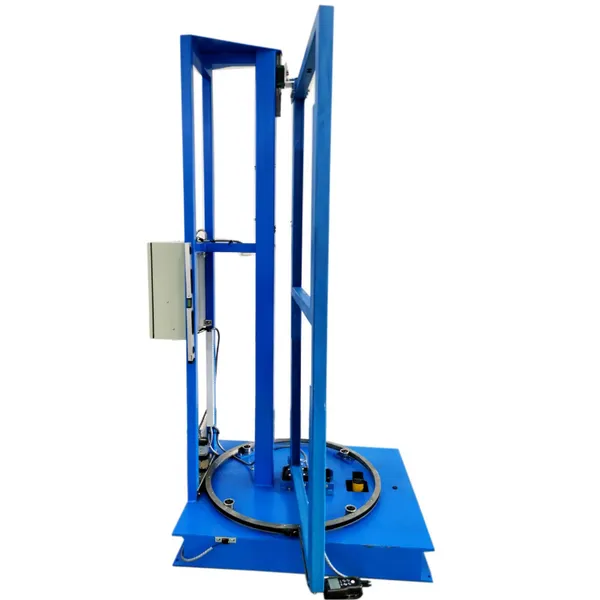
 Floor Spring Cycle Test MachineNegotiableMOQ: 1 Piece
 -
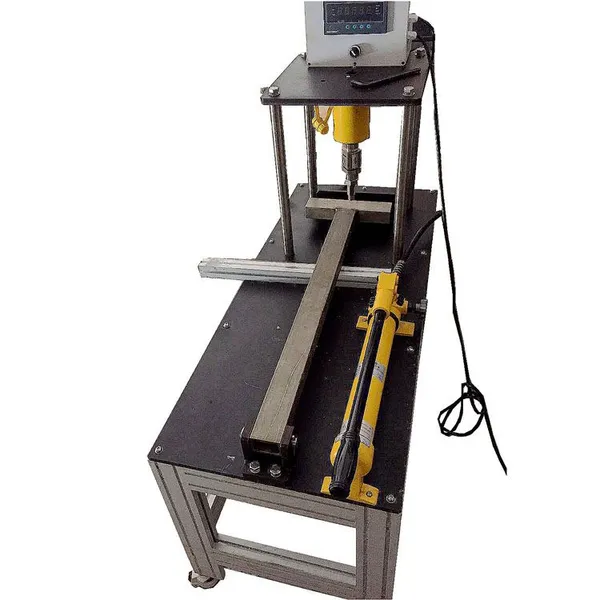
Lock Resistance to Chisel Test MachineNegotiableMOQ: 1 Piece
-
EN Standard Lock Strength Test MachineNegotiableMOQ: 1 Piece
-
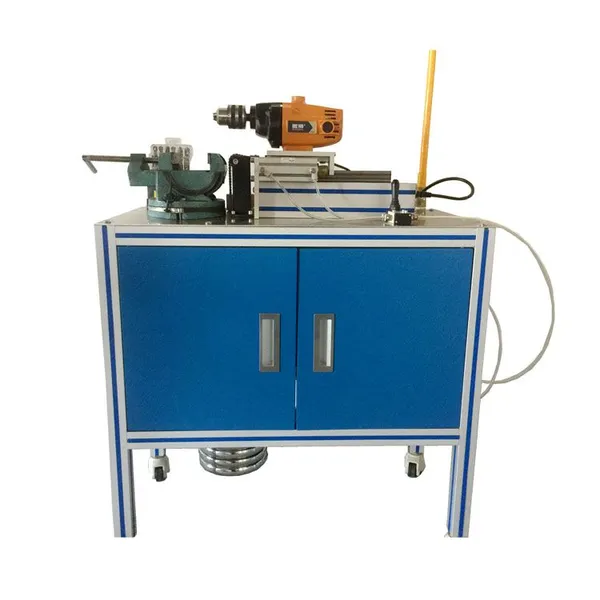
Lock Durability Test Machine EN StandardNegotiableMOQ: 1 Piece
-
EN Lock Body Life Test MachineNegotiableMOQ: 1 Piece